Chick Brooder Heater Care and Guidelines
Raising layer chickens on a farm is an interesting and rewarding activity for those who enjoy animal farming. However, maintaining the health of laying hens can be challenging, especially when considering seasonal climate changes—particularly during cold weather.
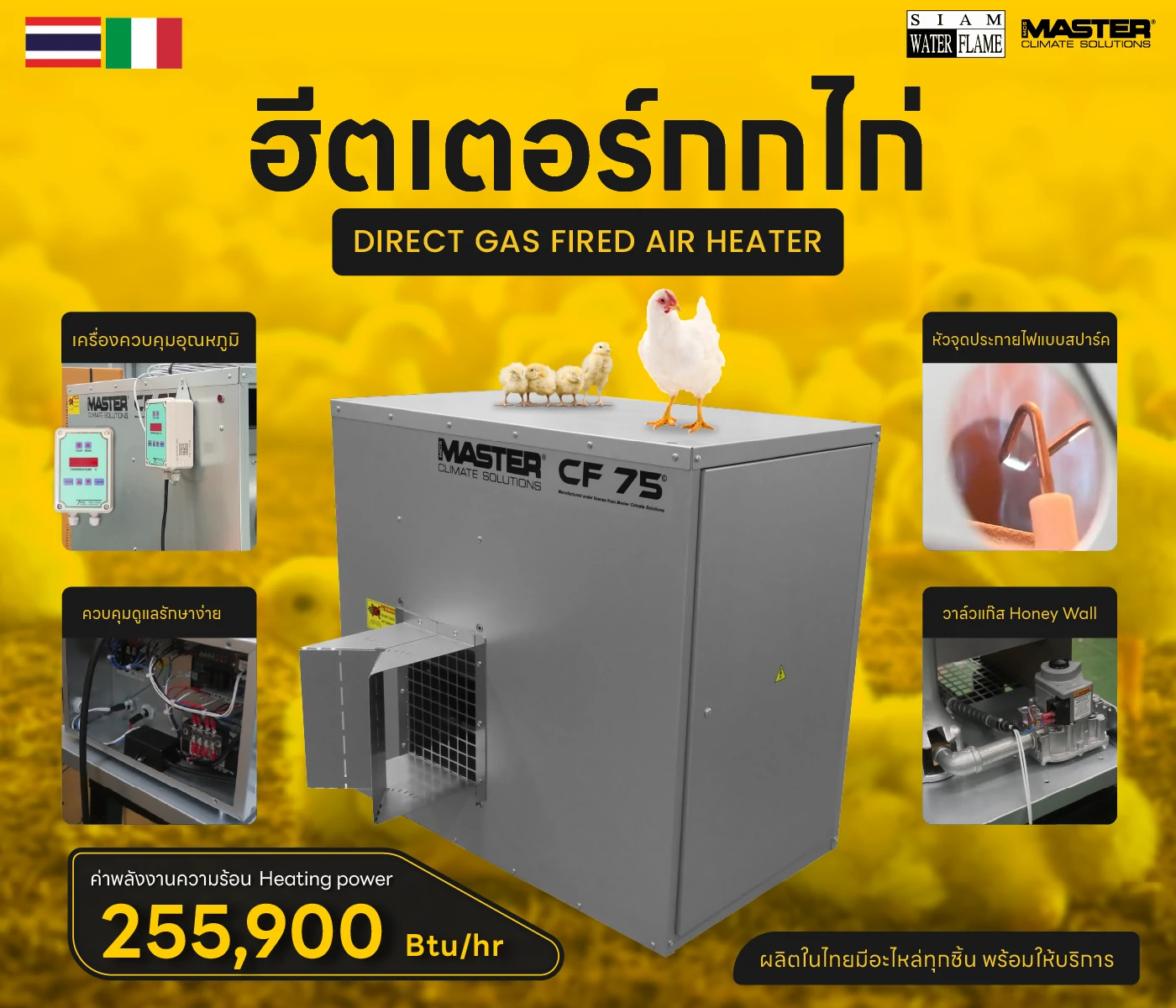
A chick brooder heater is essential for maintaining warmth and ensuring the health of poultry. This article outlines how to choose, use, and maintain a brooder heater safely and effectively during winter.
Choosing a Chick Brooder Heater
Types of Heaters
There are several types of heaters suitable for poultry farms, such as
-
Swinger heaters
-
Infrared heaters
-
Convection heaters
Choose the type that best fits your farm size and application.
Safety Features
Select heaters equipped with safety systems, such as heat sensors or automatic shut-off mechanisms, to prevent accidents.
Energy Efficiency
Choose energy-efficient models to reduce operational costs.
Installation and Maintenance
Installation Position
-
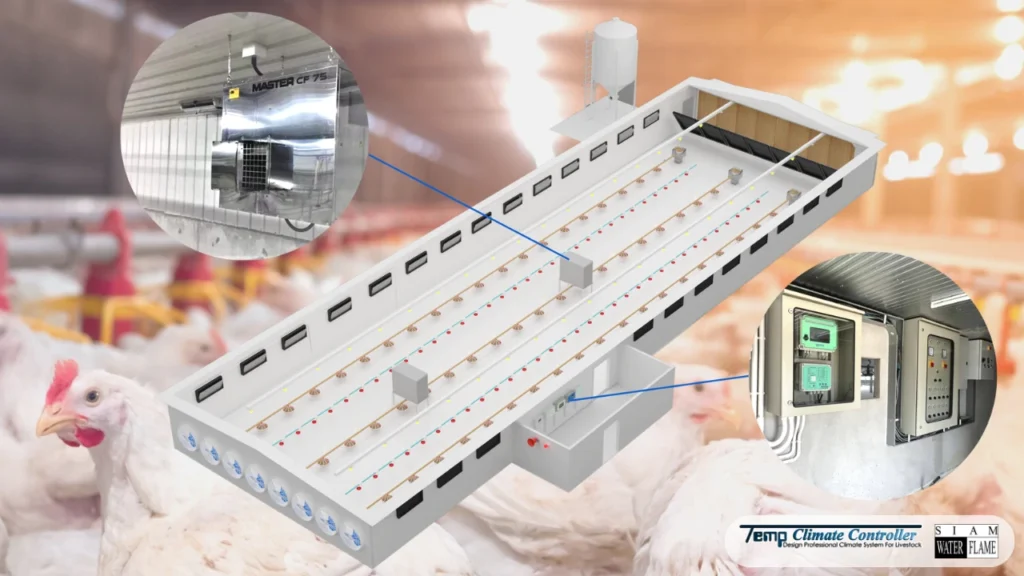
Install the heater at a safe height above the birds to prevent burns or fire hazards
-
Maintain adequate distance between the heater and chickens to avoid contact or collisions
Regular Inspection
-
Check the heater regularly to ensure proper and safe operation

Temperature Control
Set Appropriate Temperature
-
Maintain a suitable temperature for laying hens, typically 18–21°C
Use Temperature Controllers
-
Install thermostats or controllers to maintain consistent temperature levels inside the poultry house
Cleaning and Hygiene
Regular Cleaning
-
Clean the heater and surrounding area regularly
Remove Debris
-
Prevent dust, feathers, or debris from accumulating, as they may cause safety risks or damage
Ventilation System
-
Ensure proper ventilation to allow even heat distribution and maintain fresh air circulation
Safety Management
Fire Protection Systems
-
Regularly check fire safety systems such as automatic shut-off and smoke detectors
Staff Training
-
Train farm workers on proper heater usage and safety procedures

Emergency Preparedness
Spare Parts Availability
-
Keep essential spare parts ready in case of heater failure
Emergency Plan
-
Prepare action plans for emergencies such as fire or equipment malfunction
Proper care and maintenance of chick brooder heaters help ensure that laying hens remain healthy and productive during cold weather.
Always follow manufacturer guidelines and continue learning best practices for poultry farming in cold conditions to maximize farm efficiency and safety.
“Chick Brooder Heater Care and Guidelines”
This guide provides practical recommendations for maintaining heater performance, ensuring poultry health, and improving productivity during the winter season.
Chick Brooder Heater Care and Guidelines
Raising layer chickens on a farm is an interesting and rewarding activity for those who enjoy animal farming. However, maintaining the health of laying hens can be challenging, especially when considering seasonal climate changes—particularly during cold weather.
A chick brooder heater is essential for maintaining warmth and ensuring the health of poultry. This article outlines how to choose, use, and maintain a brooder heater safely and effectively during winter.
Choosing a Chick Brooder Heater
Types of Heaters
There are several types of heaters suitable for poultry farms, such as:
Swinger heaters
Infrared heaters
Convection heaters
Choose the type that best fits your farm size and application.
Safety Features
Select heaters equipped with safety systems, such as heat sensors or automatic shut-off mechanisms, to prevent accidents.
Energy Efficiency
Choose energy-efficient models to reduce operational costs.
Installation and Maintenance
Installation Position
Install the heater at a safe height above the birds to prevent burns or fire hazards
Maintain adequate distance between the heater and chickens to avoid contact or collisions
Regular Inspection
Check the heater regularly to ensure proper and safe operation
Temperature Control
Set Appropriate Temperature
Maintain a suitable temperature for laying hens, typically 18–21°C
Use Temperature Controllers
Install thermostats or controllers to maintain consistent temperature levels inside the poultry house
Cleaning and Hygiene
Regular Cleaning
Clean the heater and surrounding area regularly
Remove Debris
Prevent dust, feathers, or debris from accumulating, as they may cause safety risks or damage
Ventilation System
Ensure proper ventilation to allow even heat distribution and maintain fresh air circulation
Safety Management
Fire Protection Systems
Regularly check fire safety systems such as automatic shut-off and smoke detectors
Staff Training
Train farm workers on proper heater usage and safety procedures
Emergency Preparedness
Spare Parts Availability
Keep essential spare parts ready in case of heater failure
Emergency Plan
Prepare action plans for emergencies such as fire or equipment malfunction
Proper care and maintenance of chick brooder heaters help ensure that laying hens remain healthy and productive during cold weather. Always follow manufacturer guidelines and continue learning best practices for poultry farming in cold conditions to maximize farm efficiency and safety.
“Chick Brooder Heater – Care and Guidelines”
This guide provides practical recommendations for maintaining heater performance, ensuring poultry health, and improving productivity during the winter season.